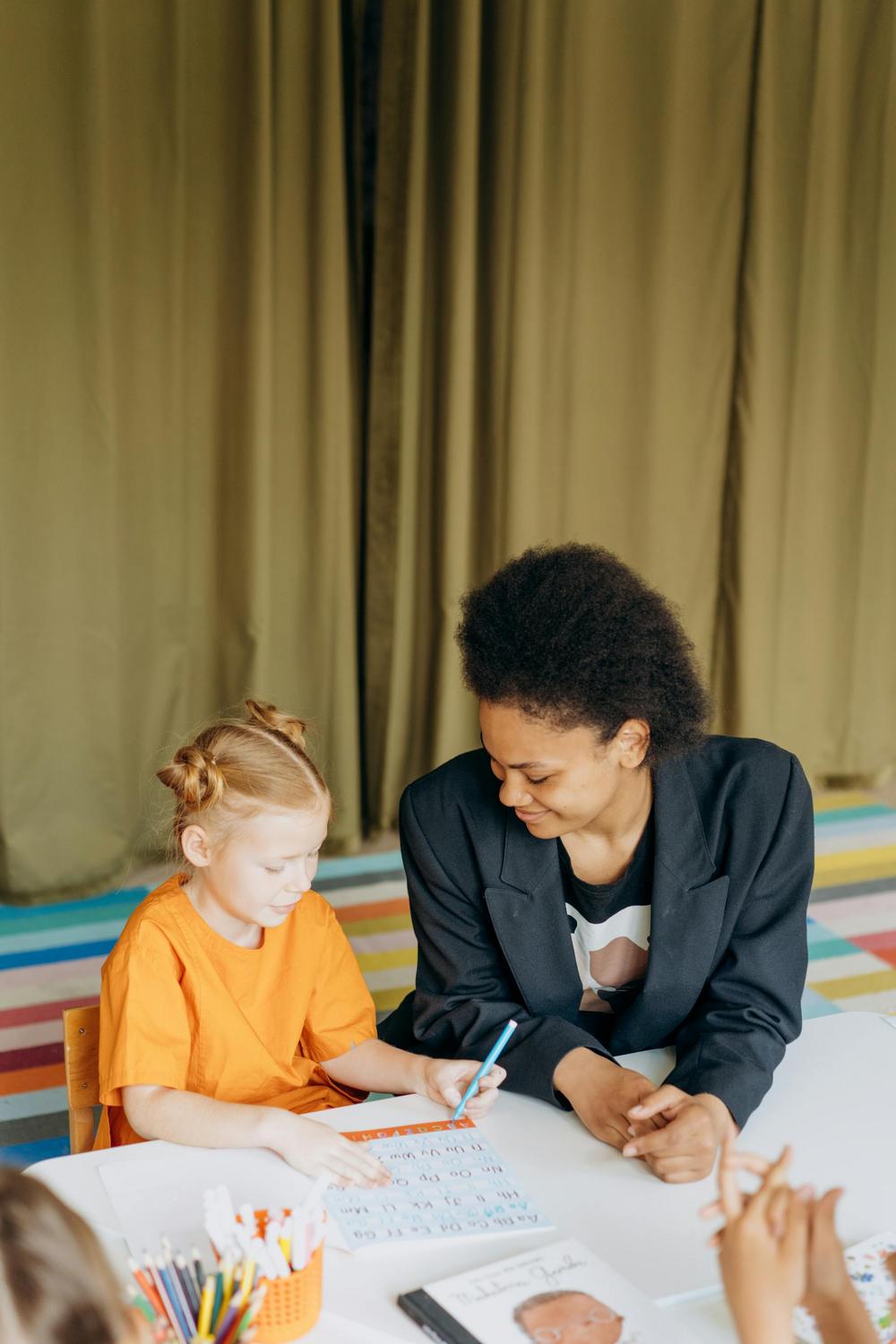
School transitions can be challenging for students with learning difficulties, and the process may seem daunting for families in Cleveland, Alexandra Hills, Capalaba, and throughout the Redlands region. This guide explores the academic, social, and emotional challenges these children face, provides evidence-based strategies for easing the transition, and emphasizes the cooperative roles of schools, parents, and allied health practitioners.
What Makes School Transitions Challenging for Students with Learning Difficulties?
Students with learning difficulties encounter several challenges during school transitions. Academic adjustments are complicated by increased curriculum complexity and multiple teaching styles. For example, children with dyslexia may experience heightened anxiety about reading expectations, while those with dysgraphia can be overwhelmed by increased writing demands. Socially, these students may face fears of making new friends, losing support networks, or confronting bullying. Additionally, the environmental changes, such as navigating larger school buildings, can contribute to sensory overload, particularly for those with co-occurring conditions like ADHD.
When Should Families Begin Planning for School Transitions?
It is recommended that planning begins 12-24 months before a major school transition. This extended timeframe allows for necessary discussions with current schools, sufficient time to gather assessment data, and early identification of potential receiving schools. A phased approach, starting with early preparation, followed by detailed planning and finally familiarization visits, can reduce anxiety and build the skills needed to succeed in a new environment.
How Can Parents Support Their Child Through Primary to Secondary Transition?
Parental support is paramount. Effective strategies include engaging in open communication about the child’s concerns, practicing new routines at home, and facilitating gradual building of independence. Parents are encouraged to collaborate closely with schools to ensure that accommodations (such as assistive technology for dyslexia) are in place and that strategies to manage cognitive load are implemented prior to transition.
What Role Do Schools Play in Successful Transitions for Students with Learning Difficulties?
Schools play a critical role by initiating early identification of students needing support, sharing comprehensive information with receiving schools, and implementing transition-specific programs. Structured skills training in organization, time management, and self-advocacy, along with buddy systems and regular check-ins, can facilitate smoother transitions. Professional development for staff and extended orientation programs further support these processes.
How Do Different Learning Difficulties Impact the Transition Experience?
Each learning difficulty presents unique challenges. For example:
- Dyslexia: Increased pressure in reading aloud and managing multi-subject reading demands necessitate assistive tools and extended processing time.
- Dysgraphia: Students might suffer from fatigue due to handwriting and require alternative ways to express themselves (e.g., typing or speech-to-text).
- Developmental Language Disorder: Additional time and visual supports help overcome the barriers in processing and expressing language.
- ADHD: Students face challenges in organization and impulse control, especially in busy, multi-classroom environments.
- Dyscalculia: Increased focus on mathematical tasks and navigation of numerically structured timetables can be particularly stressful.
What Evidence-Based Strategies Support Successful School Transitions?
Successful strategies include:
- Multiple Familiarisation Visits: Repeated visits to the new school at different times of day to reduce anxiety and build familiarity.
- Visual Supports: Use of maps, colour-coded timetables, and transition booklets.
- Explicit Skill-Teaching: Teaching organizational skills like timetable reading and self-advocacy.
- Graduated Support: Providing intensive support initially, which gradually taps into building independent skills.
- Collaborative Communication: Consistent information-sharing between current and receiving schools, and with health professionals such as speech pathologists.
- Peer Support Systems: Buddy programs and mentoring to offer both practical help and emotional reassurance.
- Proactive Mental Health Support: Teaching coping strategies and monitoring for anxiety signs can significantly improve transition outcomes.
Supporting Your Child Through Educational Transitions in Southeast Queensland
The transition journey is more than just the first day at a new school—it is an extended process that demands early preparation, carefully coordinated strategies, and continuous support. With evidence-based planning and collaboration between families and schools, the challenges of transition can be transformed into opportunities for growth and long-term success.
How far in advance should we start planning for a school transition if our child has learning difficulties?
Planning for a school transition should ideally begin 12-24 months in advance. This extended period allows time for data gathering, assessment of the child’s strengths and challenges, and multiple familiarisation visits to the new school environment. Early preparation helps reduce anxiety and sets the stage for a smoother transition.
What specific adjustments should be in place for a student with dyslexia during school transitions?
Students with dyslexia may benefit from several accommodations during transitions, including assistive technology such as text-to-speech software, extended time for reading and assignments, and the transfer of established supports from the previous school. Visual supports like colour-coded timetables and structured transition plans are also crucial.
How can I tell if my child is struggling with anxiety during a school transition?
Signs of anxiety can include withdrawal from participation, difficulty concentrating, changes in appetite or sleep patterns, and even physical symptoms such as headaches or stomachaches. Monitoring changes in behaviour and maintaining open lines of communication with your child and their school can help in early detection and intervention.
What information should be shared between schools during transitions for students with learning difficulties?
Schools should share detailed information including assessment reports, Individual Learning Plans, successful strategies and accommodations previously implemented, and any relevant medical or psychological reports. This comprehensive information helps the receiving school prepare appropriate supports from day one.
Are there specific transition support programmes available in Queensland schools for students with learning difficulties?
Yes, Queensland schools have access to frameworks under the Disability Service Plan 2025-2028 and other state initiatives. These include extended orientation sessions, buddy programs, and specialized support services through Advisory Visiting Teacher programs, all aimed at ensuring that students with learning difficulties receive the accommodations they need during transitions.